If you are considering orthodontic treatment after 40, you may have been thinking about straightening your teeth for years, noticed that they have shifted, or wondered whether crowns or dental implants could affect your options. Previous dental work needs to be considered alongside the health of your teeth and gums when planning treatment.
Age alone does not prevent you from having orthodontic treatment. What matters is assessing the health of your teeth, gums and supporting bone, as well as establishing which changes are possible and appropriate for you. The British Orthodontic Society explains that teeth can be moved at any age, provided the teeth and gums are healthy.
Orthodontic treatment after 40: assessing your gum health
Before treatment begins, we need to check that the tissues supporting your teeth can accommodate the planned movements. If you have active gum disease, this will need to be treated and stabilised before orthodontic treatment starts. A history of periodontitis does not automatically rule out treatment, but it does require carefully tailored planning and monitoring.
If your gums bleed, appear to be receding or any teeth feel loose, mention this during your assessment. Even if your main concern is a few crowded teeth, the examination needs to consider the health of your whole mouth.
Can I have orthodontic treatment if I have crowns or root canal treatments?
Having a crown on a natural tooth or a previous root canal treatment does not necessarily prevent you from having orthodontic treatment. Before deciding how to proceed, the clinician will need to assess the tooth, its roots, the surrounding tissues and the restoration.
It is also important to distinguish between different types of dental work. A crown fitted to a natural tooth and a crown supported by an implant may look similar when you smile, but they behave differently during orthodontic treatment.
If you have previous dental reports or X-rays, bringing them to your appointment can help the clinician understand your dental history.
Dental implants require a different approach to planning
A dental implant that has integrated with the bone cannot be moved through orthodontic treatment in the same way as a natural tooth. Its position needs to be taken into account when planning movements of the surrounding teeth.
This does not mean that having an implant rules out all orthodontic treatment. It means assessing which teeth can move, how the spaces will be managed and how your teeth will fit together at the end.
If you have a missing tooth and are considering replacing it, the order of treatment also needs to be assessed. In some cases, orthodontic treatment can prepare the space for a future restoration.
Your bite matters as well as the appearance of your teeth
People often seek advice because a tooth has rotated or their lower front teeth have become crowded. However, changing the position of just a few teeth can affect how the upper and lower teeth fit together.
The assessment should consider what you would like to improve about your smile alongside your bite and oral health. Your clinician can explain the scope of the different options and their limitations.
It helps to describe exactly what concerns you: a gap, a tooth that has shifted, difficulty cleaning a particular area or changes you have noticed over the years.
Clear aligners or fixed braces after 40?
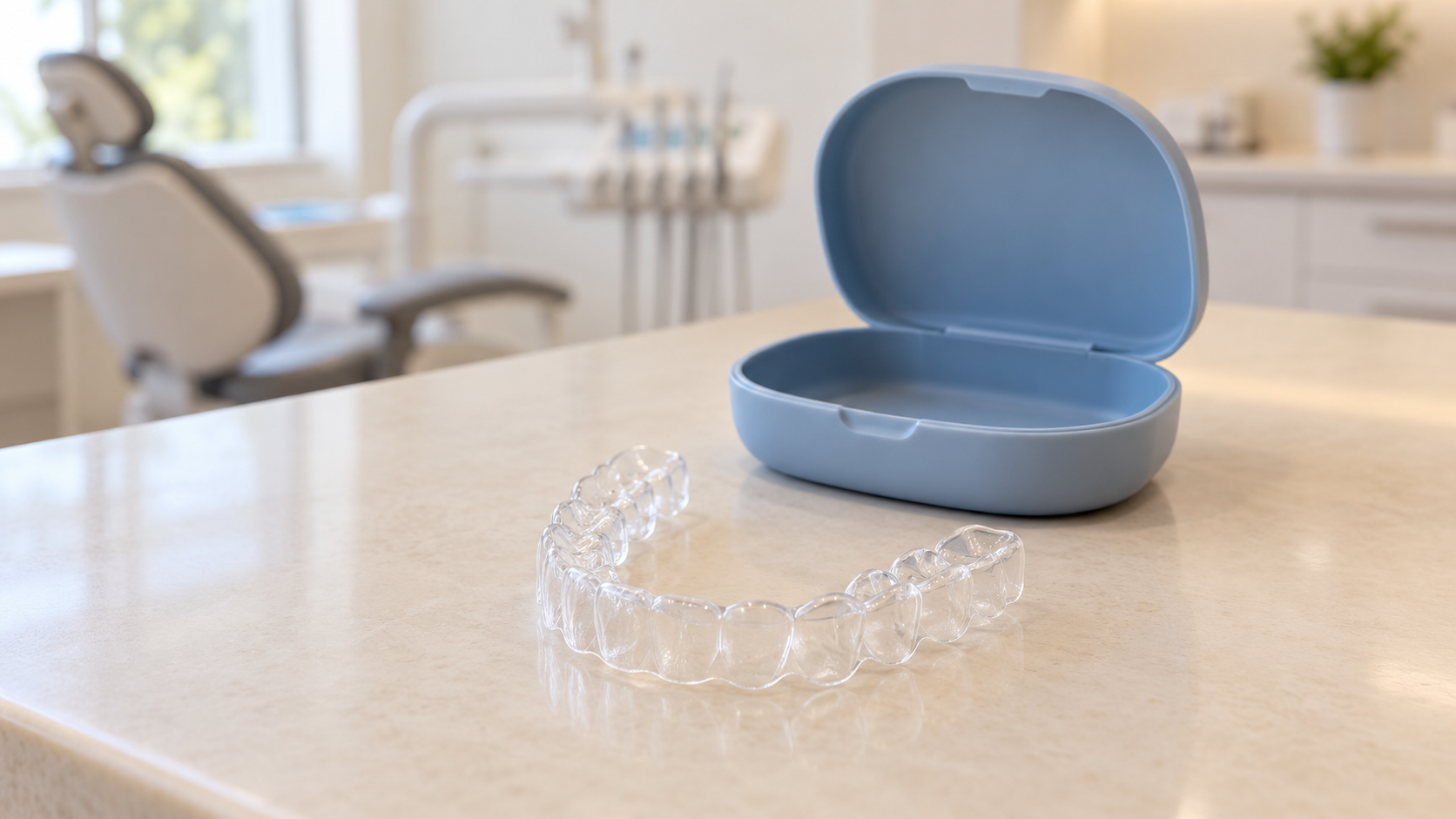
Clear aligners can be an option for adults looking for discreet treatment, but the choice should be based on a clinical assessment. The movements required, the condition of your gums and any previous dental work will help determine which approach is suitable.
Your daily routine matters too. If you choose a removable appliance, you will need to follow the instructions for wearing it and attend your review appointments. Your preferences are important and should be considered alongside your clinical needs.
At Clínica Dental Estepona, you can find out more about our clear aligner treatment before arranging an assessment.
Treatment time and maintaining the result are part of the plan
There is no single treatment duration that applies simply because you are over 40. The estimate will depend on the problem being treated, the planned movements and whether other dental procedures need to be coordinated. Before starting, ask about the stages, review appointments and what is included in your quotation.
Treatment also includes a retention phase. Teeth can change position over time, so retainers and follow-up appointments are important for maintaining the result. Your clinician will advise you on a routine suited to your needs.
The first step is understanding your situation
If you are considering orthodontic treatment after 40, a consultation gives you the opportunity to ask about your gums, crowns, implants or previous dental work and explore the available options.
At Clínica Dental Estepona, we can assess your oral health, listen to what you would like to improve and explain which options may be suitable for you. Request an appointment so we can assess your individual needs.