You know you would like to change something about your smile. Then comes the question: should you choose porcelain or composite veneers?
Both can improve the appearance of your teeth, but they differ in how they are made and maintained. The right choice also depends on your teeth and gums, your bite, your habits and the result you hope to achieve.
Porcelain vs composite veneers in Estepona: what should you consider?
Porcelain veneers are thin, custom-made ceramic coverings bonded to the front of the teeth. They are strong and tend to retain their appearance well. They usually involve a personalised planning and manufacturing process.
Composite veneers are made from tooth-coloured resin. In many cases, the dentist can shape the material directly on the tooth. They may involve fewer appointments and can be adjusted or repaired. Their initial cost is generally lower, although they may need more cosmetic maintenance over time.
The amount of tooth preparation and the number of visits vary from person to person. Some veneers require enamel to be removed; others do not. An examination is the only sensible way to establish what your own treatment would involve.
Which looks more natural?
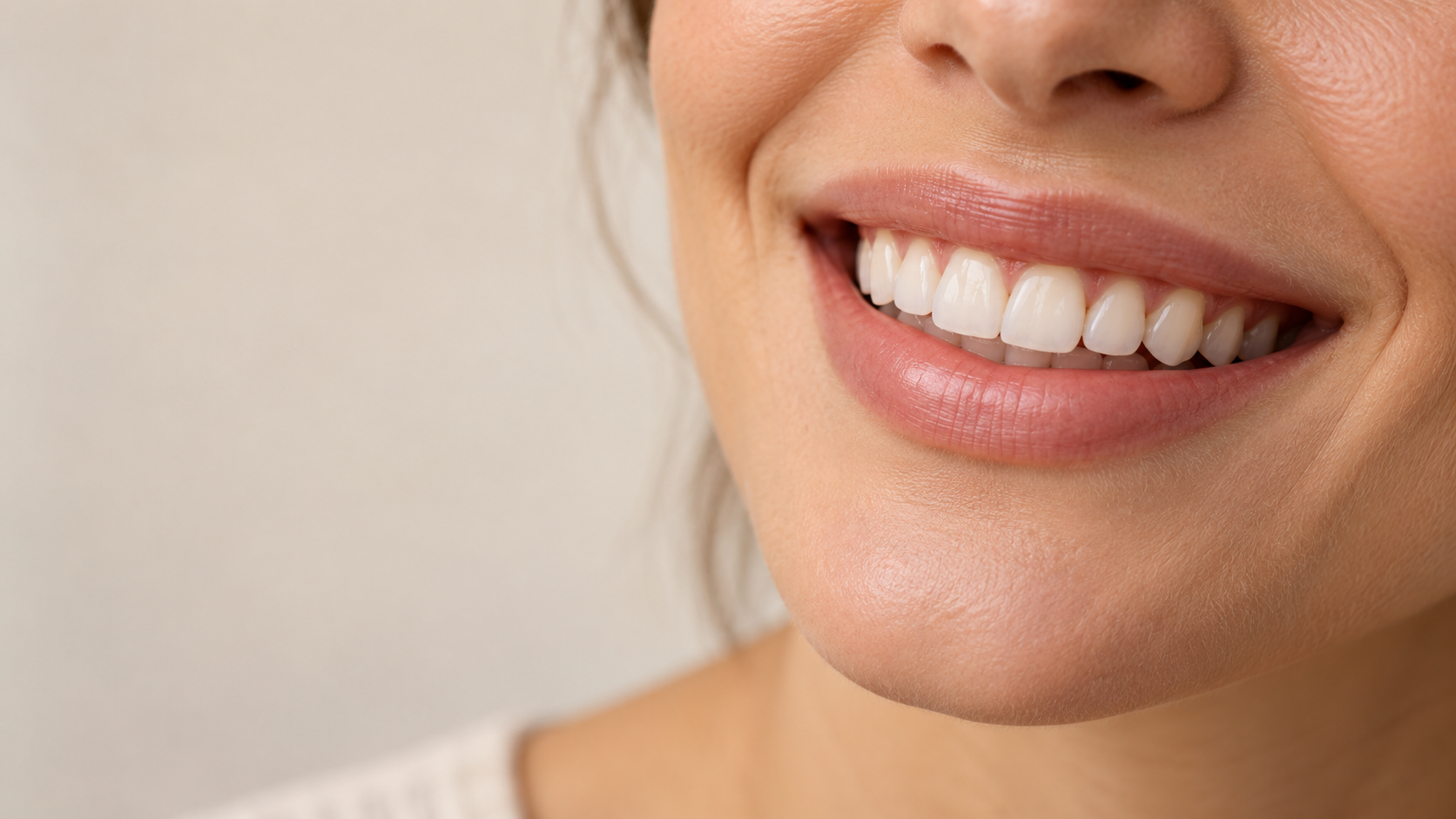
Either material can look natural when the treatment is designed around your smile. Shade is only part of the decision: shape, proportions and how the veneers sit alongside your other teeth matter too.
It helps to tell your dentist what you want to keep as well as what you want to change. You may want to repair one chipped tooth, improve the shape of a few teeth or make your smile look more balanced without a dramatic change.
At Clínica Dental Estepona, we offer both porcelain and composite veneers. Your dentist can explain which options suit your teeth and the result you are looking for.
How do you look after veneers?
You still need to brush, clean between your teeth and attend dental check-ups. Avoid using your teeth to open packaging or bite hard objects.
Composite veneers may need polishing or occasional repairs. Porcelain tends to keep its finish well, but it still needs care and monitoring. Tell your dentist if you clench or grind your teeth so this can be considered when planning treatment.
What should you ask before deciding?
- What exactly are we trying to change? Colour, shape, a chipped edge and tooth position may call for different approaches.
- Will my teeth need to be prepared? Ask what the proposed treatment involves for your teeth.
- What happens after fitting? Discuss reviews, maintenance and what can be done if a veneer chips or comes loose.
If you live in Estepona, spend part of the year here or are visiting the area, a consultation can help you understand the options and the appointments your treatment may require. The aim is to choose a plan that works for your teeth and for your circumstances.