As permanent teeth begin to appear, many parents wonder whether it is time to consider orthodontic treatment or whether they should wait until every baby tooth has fallen out.
Children can have Invisalign with baby teeth in certain circumstances. Invisalign First is designed for growing patients and can be used during mixed dentition, when baby and permanent teeth are present together. Whether treatment is appropriate depends on an individual clinical assessment.
At Clínica Dental Estepona, we explain eight questions parents commonly have about this stage of dental development.
1. What is mixed dentition?
Mixed dentition is the stage when a child has both baby teeth and permanent teeth. As teeth are replaced gradually, the two types can be present together for several years.
When considering orthodontic treatment during this stage, the clinician assesses which teeth have emerged, which are still developing and how the upper and lower teeth fit together.
Having baby teeth does not automatically rule out treatment. The decision depends on the child’s teeth, bite, growth and developmental stage.
2. What is Invisalign First?
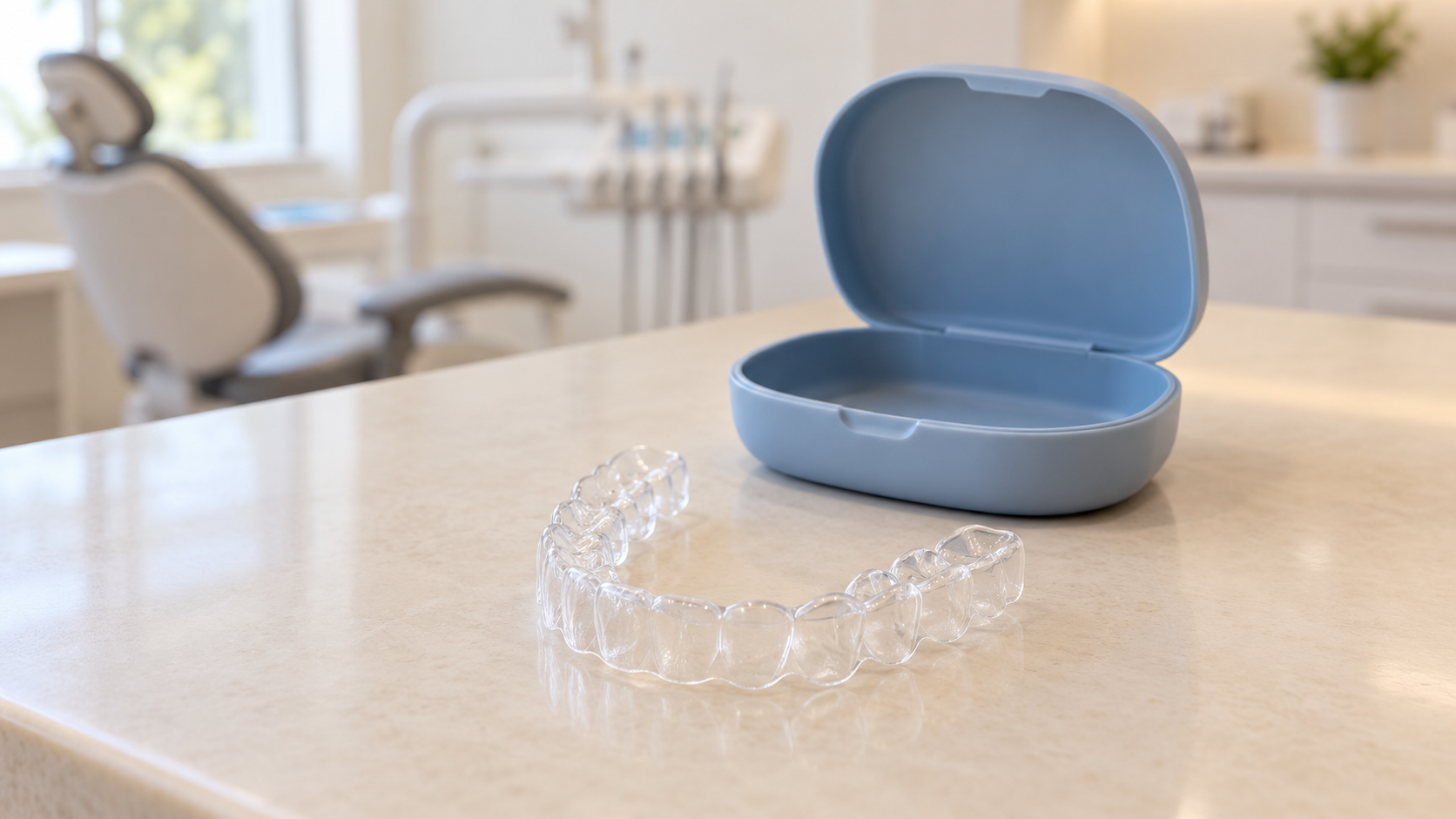
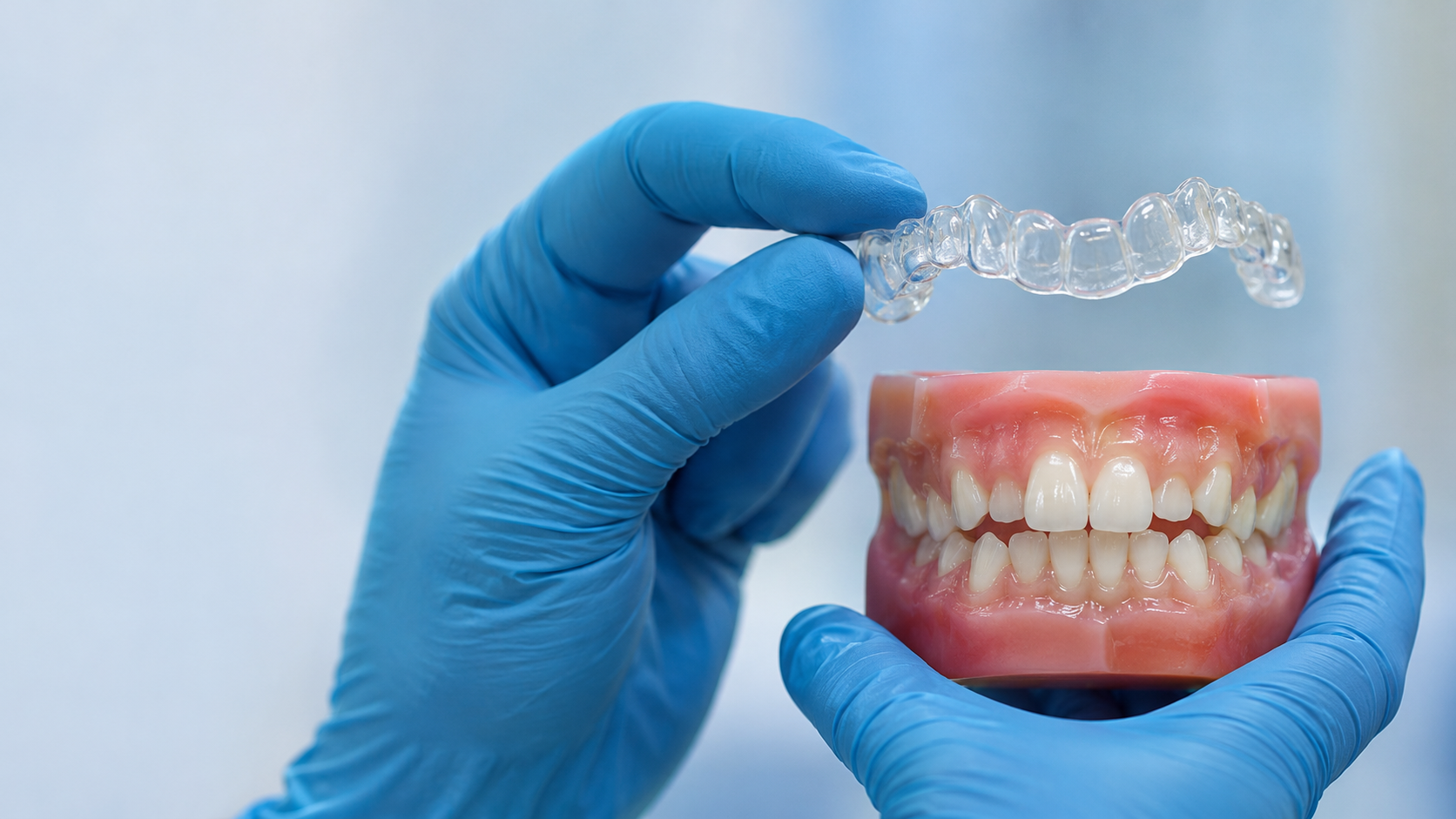
Invisalign First is a treatment using personalised clear aligners for growing children. It is used in first-phase orthodontics to address certain developing dental and bite problems.
The aligners incorporate features that accommodate erupting permanent teeth. Potential applications include particular cases of crowding, spacing and bite irregularities, subject to an individual diagnosis.
It is more than a smaller version of adult orthodontic treatment. The objectives and planning must account for a mouth that is still developing.
You can learn more on the official Invisalign First website.
3. Can treatment start with Invisalign with baby teeth still present?
It is not always necessary to wait until every baby tooth has fallen out. Some problems may benefit from earlier attention, while others can be monitored until a later stage.
An orthodontic assessment helps distinguish between these situations. Arranging an appointment does not mean your child will automatically need an appliance.
For some children, the appropriate recommendation is to review their development periodically rather than start treatment straight away.
4. At what age can Invisalign First be considered?
Invisalign describes interceptive treatment for young patients within an indicative age range of six to ten years. However, age alone does not determine whether Invisalign First is appropriate. The teeth that have emerged, the type of problem and the stage of development also matter.
Two children of the same age may therefore receive different recommendations. One may be ready to begin treatment, while another may need monitoring or a different approach.
5. What should be assessed before recommending Invisalign with baby teeth?
Before selecting an orthodontic system, the clinician needs to examine the child’s mouth and establish clear treatment objectives.
The assessment should consider:
- Tooth positions and how the bite fits together.
- Dental development and the replacement of baby teeth.
- The health of the teeth and gums.
- Whether additional diagnostic records are needed.
- The child’s and family’s ability to follow treatment instructions.
The findings help determine whether to begin treatment, wait or consider another option. Choosing an appliance follows the diagnosis.
6. What happens if a baby tooth falls out during treatment?
Tooth replacement is part of this developmental stage and must be considered during planning. Invisalign First includes features designed for dentitions in which permanent teeth are erupting.
If a tooth falls out or you notice a change in the way an aligner fits, contact the team supervising treatment. They can explain how to proceed and whether the fit or treatment plan needs reviewing.
7. How does treatment fit into a child’s daily routine?
Clear aligners are removable, so families need to understand the prescribed wearing schedule and how to care for them.
Before starting, talk through practical situations such as school meals, cleaning routines and storing the aligners safely. It helps to establish who will assist the child and what other carers need to know.
Ask for clear instructions on what to do if an aligner is lost or damaged. Giving your child time to learn the routine can make the process easier to manage.
Professional reviews remain part of treatment so that progress can be assessed.
8. Does Invisalign First prevent the need for treatment later?
First-phase orthodontic treatment does not guarantee that no further treatment will be needed. Some children require a second phase once more or all of their permanent teeth have emerged.
Before beginning, parents should understand what this initial stage aims to achieve and which aspects will need reassessing as the child develops.
Children’s orthodontic assessments in Estepona
If you are wondering whether your child can have Invisalign with baby teeth, an assessment can help establish their stage of dental development and the appropriate options.
At Clínica Dental Estepona, we provide children’s dentistry and Invisalign clear aligner treatment. Our team can explain whether treatment should be considered now or whether continued monitoring is more appropriate.
Call +34 952 806 715 or email info@clinicadentalestepona.es to arrange an appointment.